
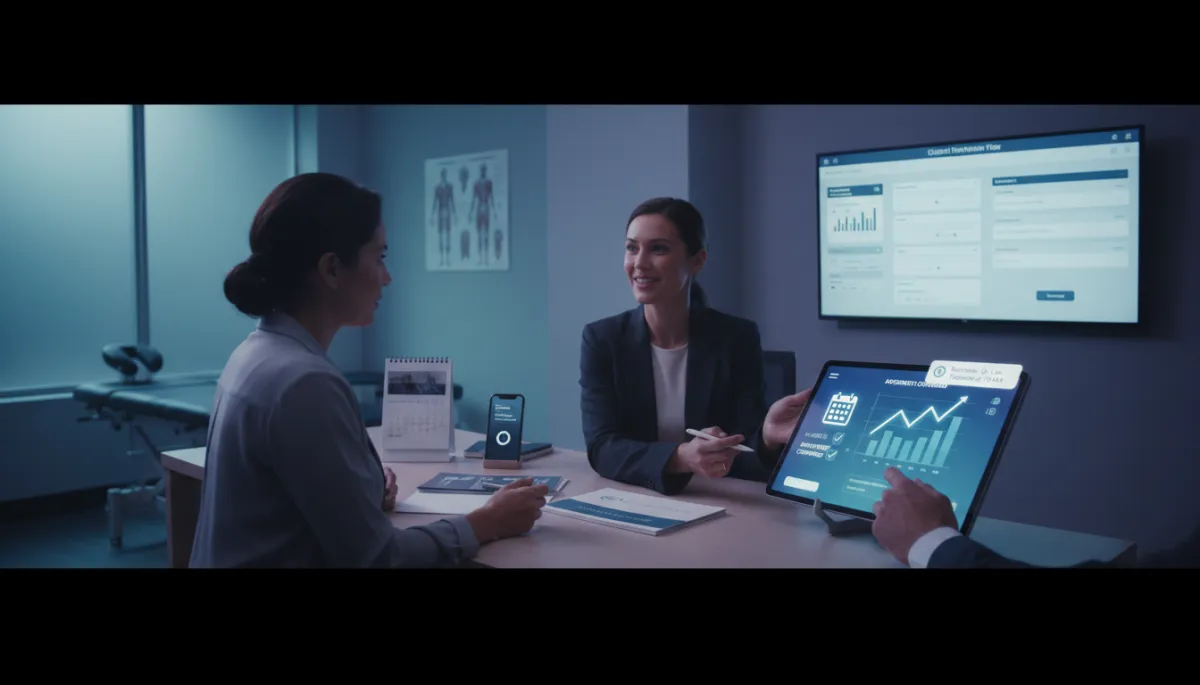
Reduce Chiropractic No Shows for Revenue Growth
Chiropractic, Revenue Management, Patient Retention
Reducing Chiropractic No Shows With Revenue Proof
Missed appointments are more than a scheduling headache for chiropractic clinics—they are a direct threat to predictable revenue, staff efficiency, and patient outcomes. For agencies and business leaders supporting chiropractors, reducing no-shows is no longer a nice-to-have optimization; it is a core revenue strategy. When you connect revenue proof to every appointment, and support it with smart reminders, engaged patients, and a visible intake process, you transform an inconsistent schedule into a reliable revenue engine. This blog explores how a connected system can make that shift real and measurable, without relying on outside links or disconnected tools.
The importance of reducing no-shows in chiropractic clinics starts with simple math. Every missed visit represents lost visit fees, lost plan-of-care momentum, and lost lifetime value. For multi-location practices, even a modest no-show rate can quietly erase thousands of dollars each month. For agencies tasked with growth, it is nearly impossible to scale advertising or lead generation profitably if clinics leak revenue at the appointment stage. Reducing no-shows is therefore one of the fastest ways to generate immediate, provable gains without increasing ad spend or staffing costs.
Yet most clinics still treat no-shows as an unavoidable part of doing business. They rely on manual calls, sticky notes, and scattered spreadsheets. The result is a lack of clarity: owners cannot see which campaigns, staff members, or processes are protecting revenue—and which are silently draining it. This is where the concept of revenue proof becomes essential. Instead of guessing, a connected system can show precisely how improved appointment follow-up and intake visibility translate into retained revenue, reactivated patients, and higher collection rates.
Turning No-Show Reduction Into Revenue Proof
Revenue proof is the ability to show, in clear numbers, how operational improvements convert into dollars. For chiropractic clinics, that means tracking the full journey from lead to scheduled appointment, to attended visit, to completed plan of care, and finally to collected revenue. When you can demonstrate that a lower no-show rate resulted in a specific increase in revenue for a given month or campaign, you move from anecdotal success to measurable performance. This is exactly the type of clarity owners and agencies need to make confident decisions about marketing, staffing, and technology investments.
Revenue proof also changes the internal conversation. Instead of arguing about whether appointment reminders “seem to help,” a connected system can show that, for example, reducing no-shows from 18% to 9% preserved a specific dollar amount in billable visits. Agencies can then attribute that gain to improved workflows, while clinic owners can tie it directly to their bottom line. This level of transparency builds trust and makes it far easier to secure buy-in for continued optimization and new initiatives across multiple locations or provider teams.
To achieve this, clinics and agencies need more than isolated reports. They need revenue tracking that connects scheduled appointments, attendance data, and financial outcomes in one view. When revenue tracking is integrated with the intake process and follow-up actions, every no-show event becomes a measurable signal instead of a lost opportunity. That level of visibility is what transforms a generic calendar into a strategic revenue dashboard.
Appointment Reminders That Protect Revenue, Not Just Schedules
Appointment reminders are one of the most immediate levers for reducing no-shows, but their real power emerges when they are part of a connected system. A basic reminder simply tells a patient when to show up. A strategic reminder sequence, however, reinforces the value of the visit, confirms insurance or payment expectations, and offers an easy way to reschedule rather than disappear. When reminders are synchronized with the clinic’s calendar and revenue tracking, every confirmation or cancellation is reflected in real time, giving staff a clear view of what is at risk and where to focus recovery efforts.
For agencies managing patient acquisition campaigns, integrated reminders close the loop between marketing and revenue. Leads generated from ads or outreach are not truly successful until they convert into attended visits and collected payments. By tracking which reminder sequences are associated with higher show rates and better retention, agencies can refine messaging, timing, and channels. This is where revenue proof becomes tangible: you can see that a particular reminder strategy not only improved attendance but also increased total revenue per patient over time.
Effective reminder systems also reduce the burden on front-desk staff. Instead of spending hours dialing patients or leaving voicemails, staff can focus on higher-value tasks such as handling complex questions, managing in-clinic experiences, and following up with high-risk patients. Automated reminders handle the routine communication while still feeding data back into the central revenue tracking system. This combination of automation and visibility is what allows clinics to scale without sacrificing personalization or control over their schedule.

Real-time reminder data helps staff intervene before missed appointments become lost revenue.
Patient Engagement as a Revenue Strategy, Not Just a Courtesy
Patient engagement is often discussed in clinical terms—education, satisfaction, and adherence to care plans. From a business and agency perspective, engagement is also a powerful revenue safeguard. Patients who understand their treatment plan, see clear progress, and feel connected to the clinic are far less likely to skip visits without notice. Engagement begins well before the first adjustment and continues through every interaction: intake forms, reminders, follow-up messages, and even billing communications all shape the patient’s perception of value and professionalism.
A connected system allows clinics to tailor engagement based on real behavior. For example, a patient who has missed or rescheduled multiple times can automatically receive a more supportive message that reinforces the importance of consistent care, along with a simplified rescheduling link. Similarly, long-term patients nearing the end of a care plan might receive progress summaries that highlight what has been achieved and what remains. Each of these touchpoints is logged and tied to revenue outcomes, giving agencies and owners a clear view of which engagement strategies correlate with higher attendance and better financial performance.
Importantly, engagement should be tracked, not just assumed. When patient communication is integrated with revenue tracking, clinics can see, for instance, that patients who receive a specific series of educational messages are more likely to complete their care plans and generate higher total revenue. This turns engagement from a soft concept into a measurable lever. Agencies can then design campaigns and nurture sequences that are explicitly aligned with revenue goals, rather than generic branding or broad awareness alone.
The Intake Process: Your First Line of Defense Against No-Shows
The intake process is often treated as paperwork, but in reality it is the first operational step where no-shows can be prevented or created. When intake is disorganized, slow, or confusing, patients are more likely to feel uncertain or disengaged before they ever arrive. Conversely, a streamlined digital intake that clearly explains expectations, confirms appointment details, and gathers essential information builds trust and commitment. For agencies, optimizing intake is one of the most underutilized ways to protect the value of every lead they generate for a clinic partner.
Intake visibility is crucial here. When a connected system shows which patients have started, completed, or ignored intake forms, staff can quickly intervene. A patient who has booked but not completed intake can be nudged with a targeted reminder that emphasizes how finishing forms in advance shortens their first visit and ensures accurate insurance or payment information. This visibility also allows clinics to identify patterns: for example, if a particular source or campaign consistently produces patients who stall at intake, that may indicate misaligned messaging or expectations that can be corrected upstream.
When intake is integrated with revenue tracking, its impact becomes impossible to ignore. Clinics can see whether patients who complete intake promptly are more likely to attend their first visit, continue care, and pay on time. Agencies can use this data to refine targeting, adjust landing page copy, or advise clinics on pre-visit education that sets the right expectations. Instead of guessing why certain leads do not convert into revenue, everyone can see where drop-offs occur and how they affect the financial picture.

Digital intake creates early commitment while feeding real-time data into revenue tracking.
Why a Connected System Outperforms Isolated Tools
Many chiropractic clinics already use some combination of scheduling software, reminder tools, and billing systems. The problem is not the absence of technology; it is the absence of connection. When systems do not communicate, appointment follow-up, intake visibility, and revenue tracking remain fragmented. Staff might see that a patient missed an appointment, but they cannot easily see the financial impact, the patient’s intake history, or which campaign originally brought them in. This fragmentation makes it difficult for agencies to show clear ROI and for owners to make data-driven decisions about where to focus improvement efforts.
A connected system, by contrast, centralizes the journey. When a patient books, completes intake, receives reminders, attends visits, and pays, every step is recorded in one place. Appointment follow-up becomes proactive rather than reactive: missed appointments trigger automated recovery workflows, such as personalized texts or emails inviting the patient to reschedule and reminding them of their care plan goals. Staff can see, at a glance, which missed appointments are still within a recoverable window and what each recovered visit is worth in terms of revenue. This alignment between clinical workflow and financial outcome is what makes connected systems so powerful.
For agencies, a connected environment also simplifies reporting and strategic planning. Instead of exporting spreadsheets from multiple platforms and trying to reconcile them, they can access unified dashboards that show lead sources, show rates, intake completion, and revenue in a single view. This not only reduces manual labor but also enables far more precise optimization. Campaigns can be evaluated not just on cost per lead, but on cost per attended visit and cost per dollar of revenue generated. In this context, reducing no-shows is not an isolated operational win; it is a critical step in improving the profitability of every marketing dollar spent.
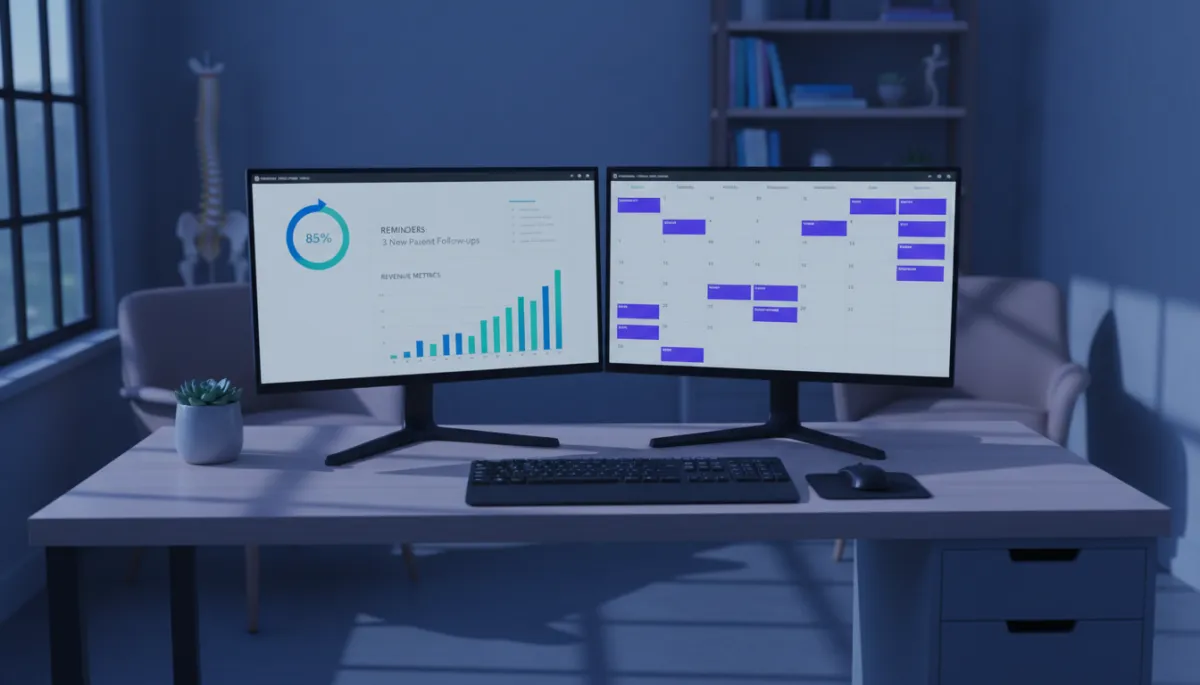
Unified data reveals exactly how no-show reduction translates into measurable clinic revenue.
Building a Revenue-Focused No-Show Reduction Framework
To reduce no-shows with revenue proof at the center, clinics and agencies can follow a structured framework. First, establish a baseline: measure current no-show rates, average visit value, and the proportion of booked appointments that convert into completed care plans. This baseline, captured through reliable revenue tracking, provides the reference point against which all future improvements will be measured. Without it, any changes to reminders, intake, or engagement will be difficult to quantify in financial terms.
Next, audit the intake process, appointment reminders, and patient engagement flows. Look for friction: Are patients unclear about what to expect? Are reminders generic or impersonal? Is there a gap between booking and the first visit where communication goes silent? A connected system should make these gaps visible by showing drop-off points, delayed responses, or stalled intake completions. Prioritize changes that both improve the patient experience and protect revenue, such as more specific reminder messages, simplified digital intake, and follow-up sequences for missed or canceled appointments.
Finally, tie every improvement back to revenue proof. After implementing changes, track how no-show rates, attendance, and total revenue per patient shift over time. Agencies can present this data to clinic owners in clear, business-focused terms: “This improvement in appointment follow-up preserved a defined amount in monthly revenue,” or “Enhanced intake visibility increased first-visit show rates by a measurable percentage.” When owners see this level of clarity, they are far more likely to invest in continued optimization, deepen their partnership with agencies, and standardize best practices across all locations.

Shared revenue proof strengthens clinic–agency partnerships and guides smarter growth decisions.
Conclusion: From Missed Appointments to Measured Growth
Reducing no-shows in chiropractic clinics is not just about filling empty slots. It is about building a predictable, provable revenue engine that supports sustainable growth for both clinics and their agency partners. By centering revenue proof in every decision, and supporting it with integrated appointment reminders, intentional patient engagement, transparent revenue tracking, and a streamlined intake process, businesses can transform operational challenges into strategic advantages. A connected system brings these elements together so that every appointment, every reminder, and every intake form contributes to a clear financial story.
For agencies, this approach means moving beyond vanity metrics and focusing on the numbers that matter most to clinic owners: attended visits, completed care plans, and collected revenue. For clinics, it means gaining control over their schedule, their patient relationships, and their financial outcomes. No-shows will never disappear entirely, but with the right systems in place, their impact can be minimized, measured, and continuously improved. That is the promise of a truly connected chiropractic revenue ecosystem—one where every appointment is an opportunity not just for care, but for demonstrable, repeatable growth.
The next step is simple: evaluate where your current processes fall short and identify the gaps between scheduling, intake, engagement, and revenue reporting. When you close those gaps with an integrated, data-driven approach, you do more than reduce no-shows—you create a foundation for long-term, scalable success in an increasingly competitive chiropractic market.
