

Boost Roofing Revenue with AI Lead Follow-Up
Roofing, Lead Follow-Up, Revenue Recovery, AI Automation
Faster Roofing Lead Follow-Up and Revenue Recovery: How AI Stops Money Leaking from Your Pipeline
For roofing companies and agencies that serve them, the most expensive leads are not the ones you buy—they are the ones you lose. A homeowner fills out a form after a hailstorm, calls for an emergency leak repair, or clicks a Facebook ad for a free inspection. If your team doesn’t respond quickly and consistently, that opportunity quietly drifts to a competitor. Speed and structure in roofing lead follow-up are no longer “nice to have”; they are the difference between a full schedule and idle crews.
Industry studies across home services show that contacting a lead within the first five minutes can increase conversion rates by 8–10x compared to waiting just an hour. Roofing is even more time-sensitive because prospects are often dealing with leaks, storm damage, or insurance deadlines. Every minute of delay increases the chance that prospect calls the next roofer on Google or responds to another ad. Faster follow-up is not just about being polite; it directly impacts revenue recovery and the lifetime value of every marketing dollar you spend.
Yet many roofing businesses still rely on manual callbacks, scattered spreadsheets, and overworked office staff to chase down leads. Messages slip through the cracks, voicemails go unanswered, and estimates are never followed up on. The result: thousands of dollars in potential projects vanish each month. This is where AI-supported follow-up and structured workflows can transform your pipeline from leaky to predictable, giving you visibility into every lead and a process to recover revenue you’re already paying to generate.
Why Faster Roofing Lead Follow-Up Drives Revenue Recovery
Roofing leads are uniquely urgent. A homeowner with a leaking roof, missing shingles, or visible storm damage is not “just browsing.” They are actively searching for help and will typically contact multiple contractors within a short window. If your team responds first with a clear, professional message and a simple next step, you dramatically increase your odds of winning the job before it ever becomes a bidding war. Speed positions you as the responsive, reliable expert, and that perception often matters more than a small price difference.
Faster follow-up also boosts revenue recovery by making your marketing spend work harder. Whether you are buying leads from aggregators, running Google Ads, investing in SEO, or paying for storm-campaign mailers, every contact that doesn’t receive a timely response is wasted budget. When leads are contacted within minutes—via text, email, and even AI-assisted phone outreach—you recapture revenue that would otherwise drift away. This means lower cost per booked inspection and higher return on ad spend across every channel you use.
Revenue recovery isn’t just about new leads either. Faster, structured follow-up on estimates, insurance approvals, and “not yet ready” homeowners can revive deals that went quiet weeks ago. Many roofing companies assume a silent prospect is a dead lead, but in reality, those homeowners are often overwhelmed, distracted, or still waiting on adjusters. A smart, consistent follow-up rhythm—supported by AI—brings these opportunities back to life and fills your schedule in slower weeks without adding more marketing costs.
The Hidden Risks of Delayed Responses in Roofing Sales
When follow-up is delayed, the damage goes far beyond a single missed job. First, you train your market to expect slow communication from your brand. Homeowners talk to neighbors, leave reviews, and share experiences in local Facebook groups. If they waited days for a callback, that story travels. Second, delayed responses often push prospects into the arms of the most aggressive competitor—usually the company with tighter processes and faster outreach. You end up funding your competitor’s pipeline with your own marketing dollars.
There is also a serious operational risk. Without tight response times and clear visibility into lead status, owners and managers have no accurate picture of how much potential revenue is sitting in limbo. You might see plenty of incoming leads in your CRM or inbox, but if half of them are un-contacted or only called once, your forecast is an illusion. Crews get scheduled based on optimistic assumptions, only to face gaps in the calendar when those “leads” never convert. Delayed follow-up creates volatility that makes hiring, planning, and cash flow management much harder than necessary.
Finally, slow or inconsistent follow-up can expose you to reputational and compliance risks. Missed messages after storms, unreturned calls from insurance partners, or forgotten warranty inquiries all leave a paper trail. In an age where every interaction can become a screenshot or review, having a structured, automated system to acknowledge and respond to every inquiry protects your brand. The risk of delay is not just losing today’s project; it is losing tomorrow’s referrals and reviews as well.

Every unanswered notification represents real revenue quietly slipping out of your pipeline.
Structured Follow-Up Workflows: From Chaos to Consistency
The antidote to delayed responses is a structured follow-up workflow that defines exactly what happens from the moment a lead enters your system. For roofing companies, this typically starts with automatic acknowledgment: an immediate text and email confirming receipt, setting expectations, and offering a link to schedule or reply with details. From there, a pre-defined sequence of touchpoints—calls, texts, and emails—rolls out over the next hours and days until contact is made or the lead is clearly disqualified. Nothing is left to memory or chance; the workflow does the heavy lifting for your team.
A well-designed roofing follow-up workflow should account for different lead sources and intent levels. A storm-damage form submission might trigger a more urgent sequence than a general maintenance inquiry. Missed calls should automatically receive a text within seconds asking if the homeowner would like to text instead of talk. Unanswered estimates should drop into a “revive” sequence that checks in politely, addresses common objections, and reminds the homeowner of time-sensitive factors like insurance deadlines or seasonal weather risks. Structured workflows ensure that every type of lead gets the right level of attention, every time.
For agencies serving roofing clients, standardized workflows also create a scalable service offering. Instead of reinventing the follow-up process for each contractor, you can deploy proven sequences that are tailored to roofing-specific scenarios—emergency leaks, storm events, insurance work, and re-roofs. This not only improves results for your clients but also makes your agency stickier, because you are now tied directly to their booked jobs and revenue, not just clicks and impressions.
How AI-Supported Follow-Up Captures and Re-Engages Roofing Leads
AI-supported follow-up takes these workflows to the next level by handling the repetitive, time-sensitive tasks that humans struggle to do consistently. AI can instantly respond to new leads with personalized messages, ask qualifying questions, and guide homeowners toward booking an inspection—even outside of office hours. Instead of waiting until Monday morning to reach out to weekend leads, AI can engage them in real time, gather photos, confirm addresses, and schedule appointments on your team’s calendar. This keeps your pipeline moving 24/7 without burning out your staff.
AI is also powerful for re-engaging leads that went cold. Maybe a homeowner received an estimate but stopped responding, or they said they needed to “think about it.” AI can be trained to send thoughtful, context-aware follow-ups that feel human, not robotic. It can reference prior conversations, remind them of upcoming weather risks, or ask if anything is holding them back from moving forward. When the homeowner replies, AI can continue the conversation or seamlessly hand off to your sales team once the prospect is ready to talk. This kind of smart persistence recovers revenue that most roofing companies simply abandon.
Importantly, AI-supported follow-up does not replace your salespeople; it amplifies them. Instead of spending hours each day chasing unresponsive leads or manually sending reminders, your team can focus on high-intent conversations, on-site inspections, and closing deals. AI handles the first touch, the follow-through, and the polite nudges, while your people handle the human relationship and technical expertise. The result is a smoother experience for homeowners and a more efficient, predictable sales engine for your business.

AI handles the back-and-forth so your team can focus on inspections and closing.
Gaining Full Visibility into Lead Status and Pipeline Health
Speed and structure are only effective if you can see what’s happening. Visibility into lead status is critical for roofing owners and agency partners who want to manage by data, not guesswork. A modern, AI-supported follow-up system should show you, at a glance, how many leads are new, contacted, scheduled, estimated, pending insurance, closed-won, or closed-lost. It should also reveal where leads are stalling—are they getting stuck after the first call, after the estimate, or while waiting on adjusters? This clarity lets you fix real bottlenecks instead of blaming “bad leads” for every slowdown.
With proper visibility, you can also measure the true impact of faster follow-up and AI assistance. You can compare response times before and after automation, track conversion rates from lead to booked inspection, and see how many jobs are recovered through re-engagement campaigns. These metrics help you make better decisions about marketing budgets, staffing, and territory expansion. Instead of relying on gut feeling, you can see exactly how many dollars are being recovered from previously cold or neglected leads—and which workflows are driving those wins.
For agencies, visibility into client lead status is a powerful retention tool. When you can show roofing clients not just how many leads you generated, but how many were contacted within five minutes, how many booked inspections, and how many jobs were closed, your value becomes undeniable. You are no longer just a traffic provider; you are a revenue partner. This level of transparency also helps you identify clients who need better internal processes—and gives you an opportunity to offer AI-supported follow-up as an additional service layer.
Turning Missed Opportunities into a Revenue Recovery System
When you combine faster roofing lead follow-up, structured workflows, AI-supported engagement, and clear visibility into lead status, you transform missed opportunities into a true revenue recovery system. Instead of accepting that 30–50% of your leads will go nowhere, you build a process that rescues many of them before they disappear. Immediate responses keep hot leads from cooling. Automated nurture sequences revive old estimates. Intelligent re-engagement campaigns bring back homeowners who went quiet after talking to insurance. Every stage of the pipeline gets a safety net designed to catch revenue that would otherwise be lost.
The beauty of this approach is that it compounds over time. As your database grows, your AI-supported system continues to work that database—checking in after storms, reminding past prospects of warranties or maintenance, and surfacing new opportunities from old conversations. Your marketing dollars from last year can still be generating revenue today because those leads are not forgotten; they are nurtured. In a competitive roofing market, this kind of long-term revenue recovery advantage can be the difference between flat growth and a consistently expanding business.
Whether you are a roofing owner looking to stabilize your pipeline or an agency seeking to deliver deeper value to roofing clients, the path forward is clear: eliminate delays, enforce structure, leverage AI, and demand visibility. The companies that embrace this model will capture more of the leads they already pay for, win more jobs without increasing ad spend, and build reputations as the responsive, reliable choice in their markets. Those who don’t will continue to leak revenue—quietly, invisibly, and unnecessarily.

Consistent, AI-supported follow-up keeps your crews booked and your schedule predictable.
Take the Next Step: Audit Your Roofing Lead Follow-Up
The first step to fixing revenue leaks is seeing them clearly. Most roofing businesses underestimate how many leads are slipping away due to slow or inconsistent follow-up, and many agencies don’t realize how much of their hard-won traffic never becomes booked work. A simple diagnostic audit of your lead response times, follow-up sequences, and pipeline visibility can reveal exactly where money is being left on the table. From there, you can prioritize the changes that will deliver the fastest, most measurable impact on revenue recovery.
By evaluating your current workflows against best practices—immediate multi-channel responses, AI-supported engagement, structured re-engagement campaigns, and real-time status dashboards—you can design a roadmap that fits your team, your tools, and your market. You don’t have to overhaul everything overnight. Even small improvements in speed and structure, amplified by AI, can unlock significant gains in booked jobs and recovered revenue over the next quarter.
If you are ready to see where your roofing leads are slipping through the cracks—and how AI-supported follow-up can help you capture and re-engage more of them—start with a focused diagnostic. It will give you the clarity and confidence to turn your lead flow into a true revenue recovery engine instead of a leaky bucket.
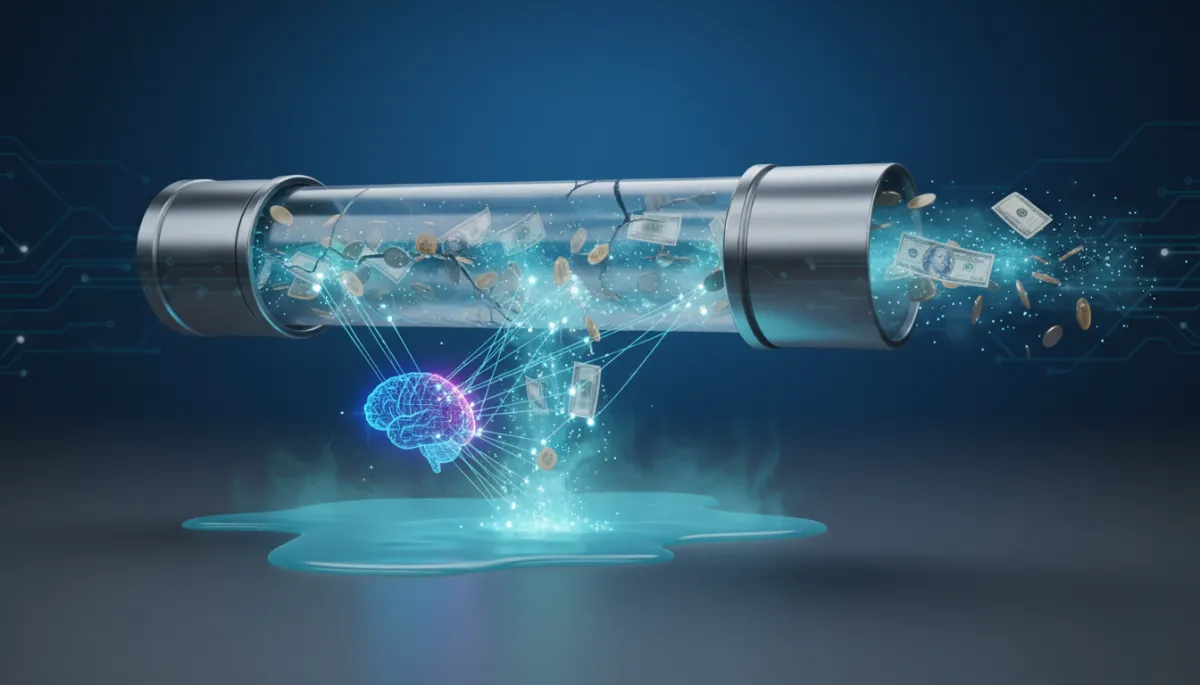
A structured audit reveals exactly where to tighten follow-up and recover lost revenue.
