
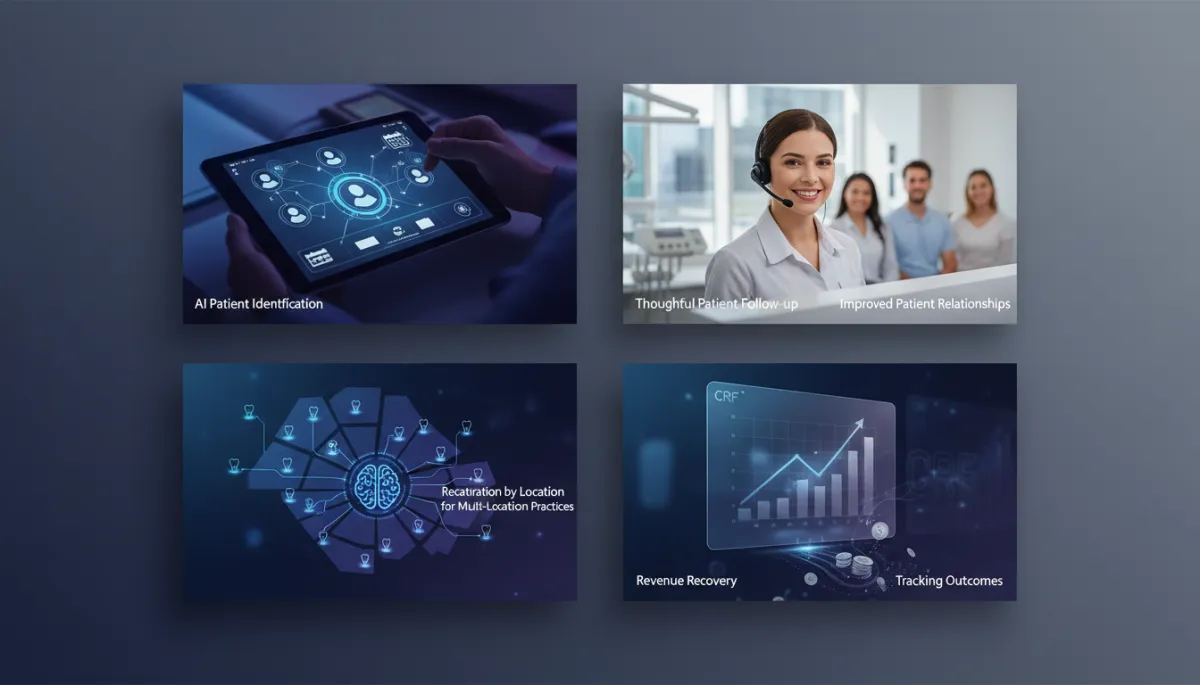
AI Patient Reactivation & Revenue Recovery for Dental Practices
Healthcare, Dental AI, Patient Reactivation, Revenue Recovery
AI Patient Reactivation & Revenue Recovery for Dental Practices
As a senior software engineer working with healthcare teams, I see a recurring pattern: dental practices are sitting on a large pool of inactive patients, overdue hygiene visits, unscheduled treatments, and missed appointments that never make it back onto the schedule. AI-driven patient reactivation transforms this “hidden revenue” into predictable, trackable workflows while strengthening patient relationships and supporting front desk teams.
Using AI to Identify, Organize, and Follow Up with Inactive Patients
The first challenge is simply knowing who to call. In most practice management systems, inactive patients, overdue hygiene visits, unscheduled treatments, and missed appointments are scattered across reports and notes. An AI layer can continuously scan this data, apply business rules, and surface a prioritized, actionable list for your team.
From a technical standpoint, we treat each patient record as an event stream: last hygiene visit, treatment plans, cancellations, no-shows, and communication history. A simple rules engine augmented with machine learning can classify patients into reactivation segments (e.g., “overdue hygiene > 12 months”, “accepted but unscheduled treatment”, “recent no-show with high lifetime value”) and assign follow-up steps automatically.
from datetime import datetime, timedelta

OVERDUE_HYGIENE_DAYS = 180
NO_SHOW_LOOKBACK_DAYS = 90

def classify_patient(patient):
    today = datetime.today().date()
    segments = []

    if patient.last_hygiene_date:
        days_since_hygiene = (today - patient.last_hygiene_date).days
        if days_since_hygiene > OVERDUE_HYGIENE_DAYS:
            segments.append("overdue_hygiene")

    if patient.has_accepted_unscheduled_treatment:
        segments.append("unscheduled_treatment")

    if patient.last_no_show_date:
        days_since_no_show = (today - patient.last_no_show_date).days
        if days_since_no_show <= NO_SHOW_LOOKBACK_DAYS:
            segments.append("recent_no_show")

    return segments
This type of classification is the foundation for organized, AI-assisted follow-up that your team can trust and act on daily.
A Clear, AI-Supported Hygiene Recall System
Hygiene recall is the backbone of a healthy dental practice. Yet many offices rely on static reports or manual reminders. AI strengthens recall by:
Continuously monitoring patients due or overdue for hygiene based on configurable intervals (3, 4, 6 months, etc.).
Prioritizing outreach by risk, lifetime value, and historical responsiveness.
Recommending the right channel (SMS, email, call) and time window for contact.
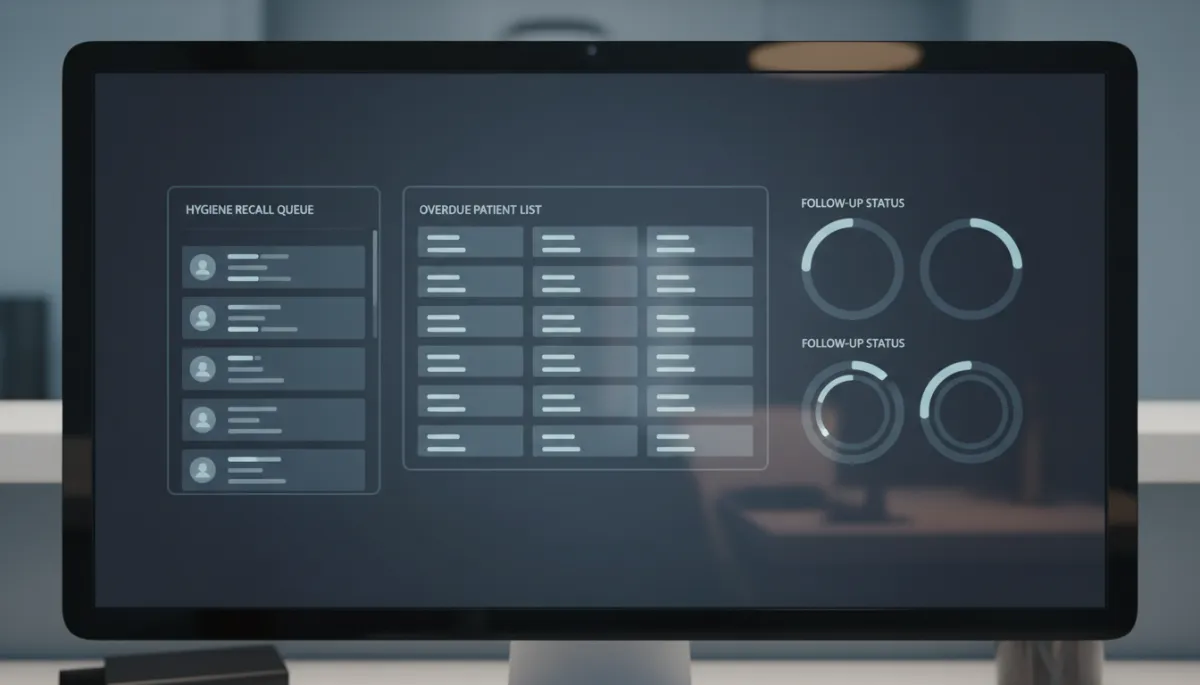
Close-up of a computer screen at a dental front desk showing a shadows themed dashboard with a...
AI hygiene recall queues ensure overdue patients are never lost in static reports.
Organized Follow-Up for Unscheduled Treatments and Missed Appointments
Unscheduled treatments and missed appointments represent significant, often invisible revenue leakage. AI helps by maintaining a structured, prioritized queue of follow-ups. Instead of front desk staff manually scanning treatment plans or old schedules, the system surfaces patients with accepted but unscheduled treatment, recent cancellations, and no-shows, along with context and suggested scripting.
def build_follow_up_task(patient, segments):
    if "unscheduled_treatment" in segments:
        reason = "Unscheduled accepted treatment"
        priority = "high"
    elif "recent_no_show" in segments:
        reason = "Recent no-show"
        priority = "medium"
    else:
        reason = "General reactivation"
        priority = "low"

    return {
        "patient_id": patient.id,
        "reason": reason,
        "priority": priority,
        "preferred_channel": patient.preferred_channel,
        "location_id": patient.home_location_id,
    }
The result is organized outreach: every workday, staff see a clear, AI-prioritized list of who to contact, why they matter, and how to reach them, rather than guessing or reacting only to inbound calls.
Reactivation by Location for Multi-Location Dental Groups
For multi-location practices and DSOs, reactivation must be location-aware. Capacity, provider mix, and patient preferences differ across sites. AI enables reactivation by location by:
Segmenting inactive and overdue patients by home office and nearest alternate locations.
Aligning outreach volume with available hygiene and doctor chair time per location.
Offering intelligent cross-location options when a preferred office is fully booked.

Overhead view of a multi-location dental operations team in a shadows themed control room, large...
Location-aware AI aligns reactivation volume with real chair time across clinics.
Supporting Front Desk Teams Instead of Replacing Them
As engineers, our goal is not to automate humans away, but to remove cognitive load and manual work. Front desk teams are already juggling live patients, phone calls, insurance questions, and schedule changes. AI-driven visibility and organized outreach free them from hunting through reports and guessing who to call next.
A well-designed system presents a simple worklist: “Here are today’s 25 highest-value reactivation opportunities, with suggested messaging and contact history.” Staff can focus on the human part—listening, empathizing, and booking the right appointment—while the platform tracks outcomes in the background.
💡 Engineering Principle: Use AI to make the next best action obvious, not to overwhelm staff with more data.
Thoughtful Follow-Up Builds Better Patient Relationships
Patient reactivation is not just about filling the schedule; it is an opportunity to rebuild trust. AI can help generate thoughtful, context-aware follow-up rather than generic reminders. For example, the system can tailor outreach based on the patient’s treatment history, anxiety indicators, or previous feedback, and suggest empathetic scripting for the front desk team.
def build_message(patient, segments):
    greeting = f"Hi {patient.first_name}, this is {patient.practice_name}."
    if "unscheduled_treatment" in segments:
        body = "We wanted to follow up on the treatment Dr. Smith recommended."
    elif "overdue_hygiene" in segments:
        body = "It looks like you are due for your routine cleaning and checkup."
    else:
        body = "We would love to help you get back on track with your oral health."

    closing = "Reply here or call us to find a convenient time."
    return f"{greeting} {body} {closing}"
This type of personalized, AI-assisted messaging shows patients that the practice remembers them as individuals, not just as names on a list, improving reactivation rates and long-term loyalty.
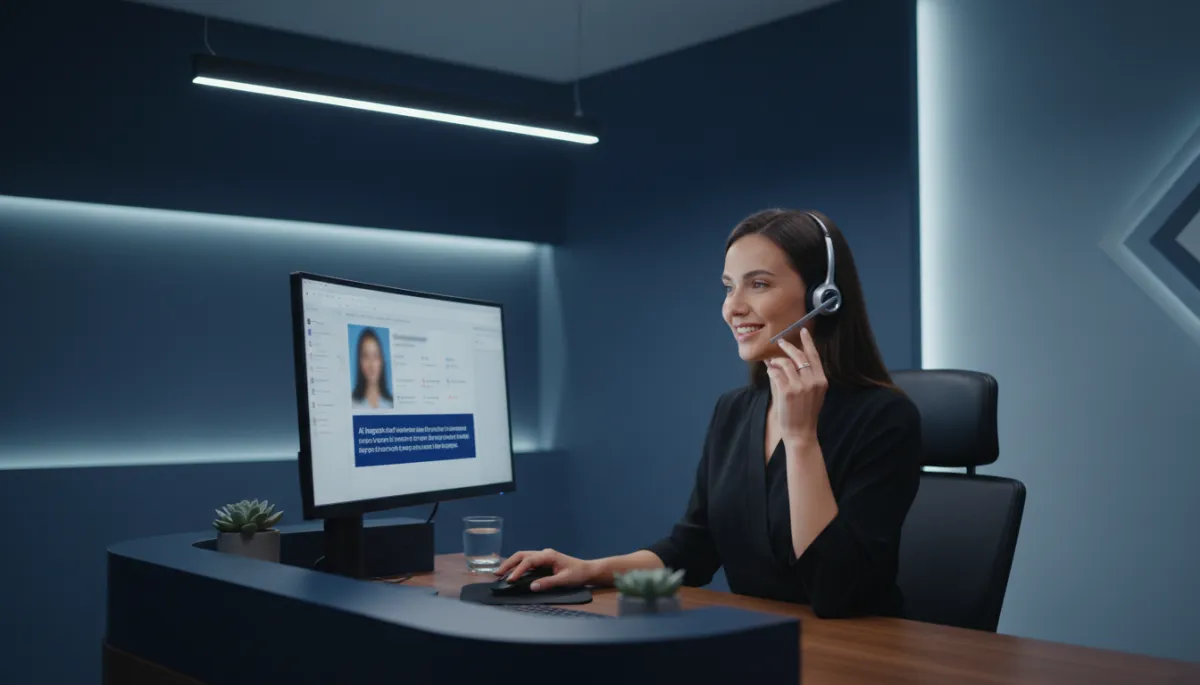
Scene of a dental receptionist in a shadows themed office speaking ly on the phone while viewing...
Thoughtful, AI-guided outreach turns reactivation calls into genuine patient care moments.
Tracking Outcomes and Evaluating Reactivation with CRF Metrics
For businesses and agencies, visibility into performance is non-negotiable. It is not enough to send messages; you need to track what happened. That is where outcome tracking and CRF (Contact–Response–Fulfillment) evaluation become essential. Every AI-generated task and outreach attempt should be logged with:
Contact: Did we successfully reach the patient (SMS delivered, call answered, email opened)?
Response: Did the patient engage (reply, call back, click, confirm)?
Fulfillment: Did the outreach lead to a scheduled and completed appointment and associated revenue?
crf_record = {
    "patient_id": patient.id,
    "campaign_id": campaign.id,
    "contacted_at": contact_timestamp,
    "contact_channel": "sms",
    "contact_success": True,
    "response_received": patient_replied,
    "appointment_scheduled": appointment is not None,
    "appointment_completed": appointment and appointment.completed,
    "revenue": appointment.revenue if appointment and appointment.completed else 0.0,
}
Aggregating CRF data across campaigns and locations allows you to evaluate reactivation opportunities objectively, optimize scripts and channels, and demonstrate clear ROI to stakeholders.
AI-Driven Visibility, Organized Outreach, and Better Patient Recovery Processes
When implemented correctly, AI delivers three core benefits to dental reactivation and revenue recovery:
AI-driven visibility: A real-time, unified view of inactive patients, overdue hygiene visits, unscheduled treatments, and missed appointments, broken down by location and segment.
Organized outreach: Clear, prioritized worklists with recommended channels and messaging, so front desk teams always know the next best action.
Improved patient recovery processes: Closed-loop tracking with CRF metrics, enabling continuous optimization and predictable revenue recovery across single and multi-location practices.
For businesses and agencies partnering with dental practices, these capabilities turn reactivation from a one-time campaign into an ongoing, data-driven program. For engineering teams, the mandate is clear: design AI systems that surface the right patients, support the humans doing the outreach, and make every outcome measurable.
