
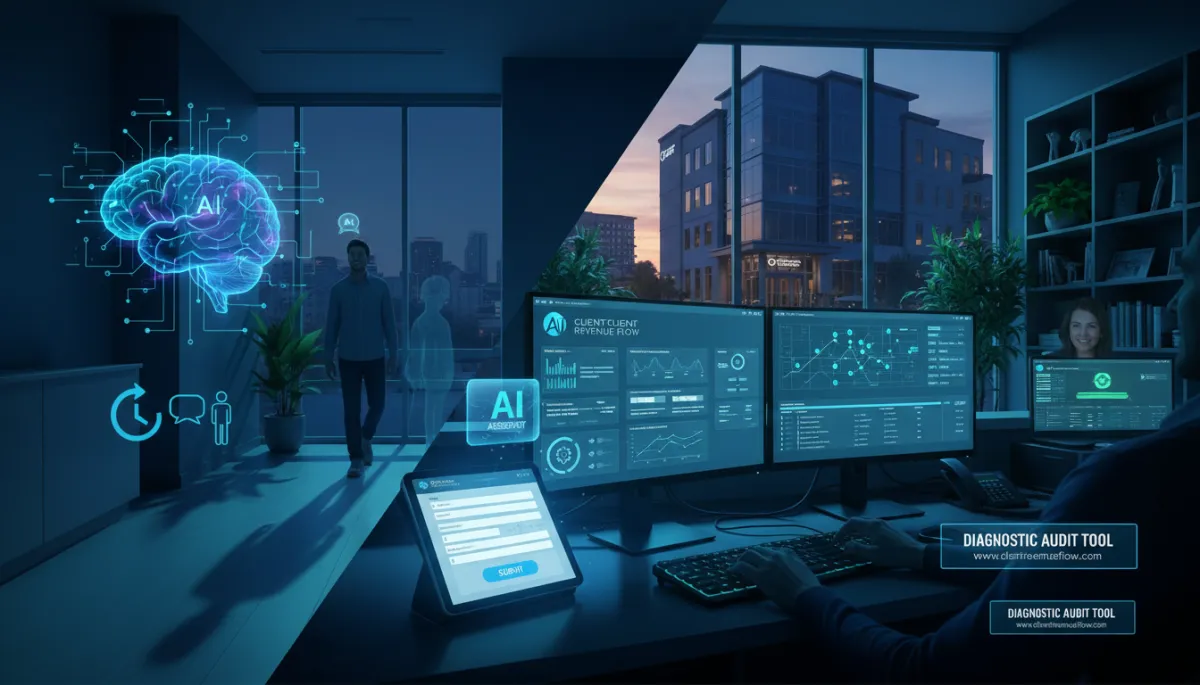
After Hours Chiropractor Intake for New Patients
Chiropractic, After-Hours Intake, AI Intake System, Client Revenue Flow
After Hours Chiropractor Intake for New Patients: Turning Missed Calls into Measurable Growth
For modern chiropractic practices and multi-location groups, the first interaction a new patient has with your clinic often happens outside traditional office hours. Whether it is a late-night web search, a weekend text inquiry, or a form submission after a long workday, these moments of intent are critical. Yet, many clinics still rely on daytime-only phone coverage and manual processes, leaving valuable chiropractic leads unanswered and untracked. An intentional, well-designed after hours chiropractor intake strategy is no longer optional—it is a core driver of growth, patient satisfaction, and operational efficiency.
At the center of this strategy is the AI intake system: an intelligent, always-on assistant that can capture, qualify, and organize after-hours inquiries in real time. Instead of hoping that new patients will call back during business hours, clinics can engage them immediately, collect essential information, and route those details into a structured follow-up workflow. This is especially powerful for chiropractic groups managing multiple locations, where visibility into what happens after hours is often fragmented or completely missing. With AI-supported intake, every interaction is captured, every lead is logged, and every opportunity can be followed through systematically.
Client Revenue Flow (CRF) was built to solve exactly this problem. By combining AI-driven after-hours chiropractor intake with clear reporting and automation, CRF helps clinics see what happened after hours, track missed opportunities, and reduce pressure on the front desk. Instead of reacting to a backlog of voicemails and emails each morning, teams start the day with an organized queue of pre-qualified chiropractic leads and clear next steps for patient follow-up. The result is a more predictable pipeline, better patient experiences, and a more sustainable workload for staff.
Why After Hours Chiropractor Intake Matters More Than Ever
Patient behavior has changed. Prospective chiropractic patients research providers when it is convenient for them, not necessarily when your front desk is open. Many are working full-time, managing families, or dealing with pain that worsens at night. Their decision to reach out—whether through a website chat, a text message, or a contact form—often happens after 5 p.m. If your clinic does not have a structured, responsive after-hours chiropractor intake process, those moments of motivation can easily slip away to a competitor who does. The cost is not just lost revenue; it is also a missed opportunity to help someone who is actively seeking relief.
Traditionally, clinics have relied on voicemail or generic web forms to capture these off-hours inquiries. However, voicemails are easy to ignore, and forms without immediate acknowledgment can feel like a dead end. New patients increasingly expect quick, clear, and personalized responses. When they do not receive them, they move on. This is where many chiropractic leads are lost—not because the clinic lacks expertise, but because there is no reliable system for engaging patients outside of office hours. The gap between patient intent and clinic response can be the difference between a booked appointment and a missed opportunity.
For multi-location chiropractic groups, the stakes are even higher. With multiple offices, varying hours, and different staff teams, it becomes harder to maintain consistent intake standards. One location might be diligent about checking messages, while another falls behind. Leadership may have no unified view of how many after-hours inquiries are coming in, how quickly they are addressed, or how many convert into new patients. Without this visibility into after-hours interactions, it is nearly impossible to optimize marketing spend, staffing, or patient follow-up processes at scale. A dedicated, AI-supported after-hours chiropractor intake system changes that equation entirely.
The Cost of Missed After-Hours Inquiries for Chiropractic Clinics
When after-hours inquiries are missed due to limited office hours, the impact is felt across the entire business. Marketing budgets are spent to drive traffic and inquiries, but without an effective intake system, a portion of that investment is wasted. Each unreturned call, unanswered text, or overlooked form submission represents a chiropractic lead that your competitors may capture instead. Over the course of a month or quarter, this can translate into dozens or even hundreds of lost new patient opportunities, especially for multi-location chiropractic groups with significant marketing reach. The financial implications are substantial, but they are often invisible without the right tracking tools in place.
Beyond revenue, there is a reputational cost as well. Patients who feel ignored after reaching out may leave negative reviews or share poor experiences with friends and family. Even if the clinic eventually responds the next day, the delay can erode trust, particularly for individuals in pain who are looking for prompt reassurance. A slow or inconsistent response suggests disorganization, even if the clinical care itself is excellent. In a competitive market, where patients can easily compare providers online, responsiveness has become a key differentiator and a central part of the patient experience journey, starting from the very first touchpoint.
For the front desk team, the absence of an organized after-hours chiropractor intake process creates a daily bottleneck. Staff arrive each morning to a stack of voicemails, overflowing inboxes, and disjointed web inquiries. They must manually listen, interpret, call back, and document each interaction—often while simultaneously checking in patients, answering live calls, and supporting providers. This reactive environment increases stress, leads to errors, and makes it difficult to prioritize high-value chiropractic leads. It is easy for messages to be overlooked or delayed, especially when the front desk is understaffed or dealing with unexpected surges in volume. The result is a cycle of burnout and missed opportunities that undermines growth.
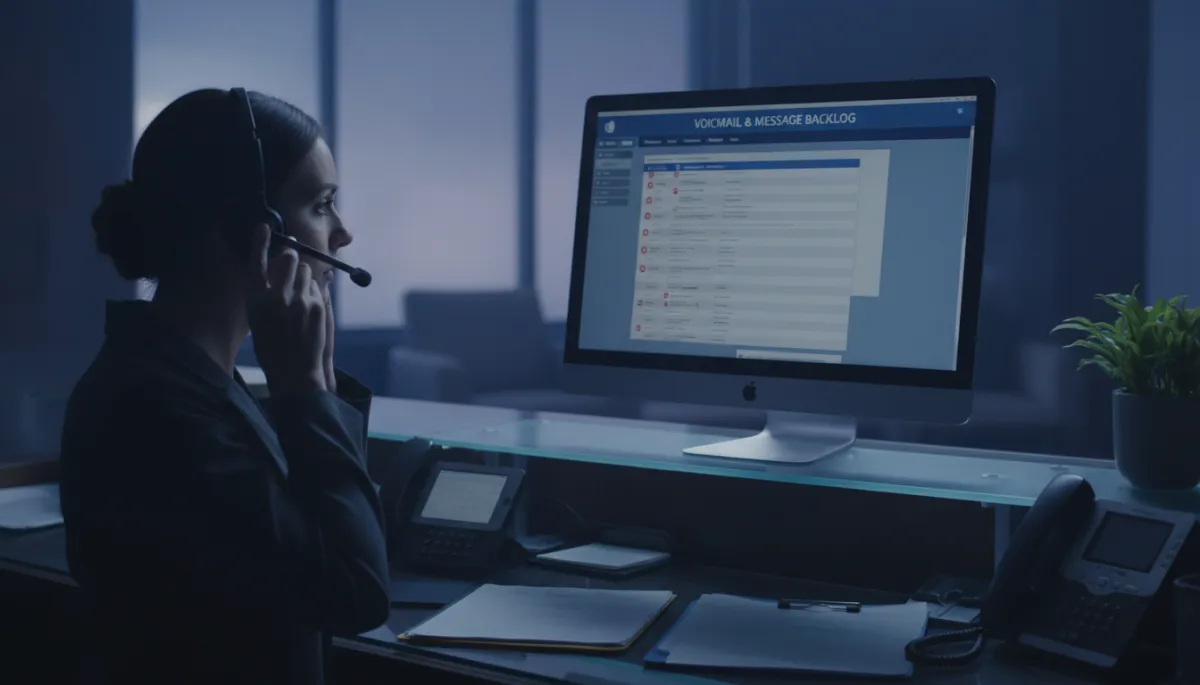
Morning backlogs from after-hours inquiries strain staff and slow patient response.
How an AI Intake System Transforms After-Hours Chiropractor Intake
An AI intake system operates as a 24/7 digital front desk that never sleeps, never forgets, and never loses a message. Instead of relying on voicemail or unstructured inboxes, AI can interact with prospective patients through web chat, SMS, or embedded forms, guiding them through a structured intake process. It can ask relevant questions about symptoms, preferred appointment times, insurance details, and location preferences, especially valuable for multi-location chiropractic groups. This structured data capture turns casual inquiries into actionable chiropractic leads that the team can review and prioritize when they return to the office, without guesswork or manual transcription.
Crucially, AI-supported intake does more than just collect information; it responds in real time. Prospective patients receive immediate acknowledgment, clear next steps, and, in many cases, preliminary appointment options or confirmation that the clinic will follow up at a specific time. This responsiveness reassures patients that their inquiry has been received and is being handled, even if a human team member is not available at that moment. It bridges the gap between after-hours intent and next-day human follow-up, creating a seamless experience that feels modern, professional, and patient-centered. For many patients, this alone is enough to choose one clinic over another.
From an operational standpoint, AI intake systems help organize and respond to inquiries in a way that is consistent and trackable. Every conversation, data point, and patient preference is logged in a centralized system. When staff arrive in the morning, they are not sorting through scattered messages; instead, they see a prioritized list of chiropractic leads with full context—what the patient asked, which location they prefer, their pain level, and any obstacles to booking. This level of organization dramatically improves patient follow-up, enabling teams to respond faster, personalize outreach, and convert more inquiries into scheduled visits with less effort and stress.
Capturing and Converting Chiropractic Leads Around the Clock
For agencies and businesses supporting chiropractic clinics, lead capture and conversion are core performance metrics. An AI intake system directly improves both by ensuring that every after-hours interaction is treated as a potential chiropractic lead, not just a passive message. Instead of a patient leaving a short voicemail, the AI can guide them through a conversation that uncovers their needs, urgency, and readiness to book. This richer data profile makes follow-up more effective because staff know exactly how to frame the conversation when they call or text back. It also enables better segmentation and reporting on which marketing channels are generating the most qualified leads after hours.
Lead capture is only half the equation; the other half is timely and consistent patient follow-up. AI-driven intake supports both. By automatically tagging and categorizing leads based on urgency, location, or type of service requested, the system helps teams prioritize outreach. A patient with acute low-back pain who reached out at 10 p.m. can be flagged for first-call status the next morning, while routine wellness inquiries can be scheduled into the day more flexibly. This structured approach to follow-up ensures that the highest-value opportunities are addressed first, without leaving others behind. Over time, this leads to higher conversion rates and a more predictable new patient pipeline.
For multi-location chiropractic groups, centralized AI intake also enables smarter routing of leads. If a patient lives closer to one location but inquires through another, the system can flag the optimal clinic, balancing patient convenience with provider availability. This helps multi-location operators maximize capacity utilization across their network and reduces internal confusion about who should own each lead. Agencies can then report back to their clients with clear data: how many chiropractic leads came in after hours, which locations they were routed to, and how many converted into booked appointments. This level of transparency strengthens client relationships and demonstrates real, measurable value.
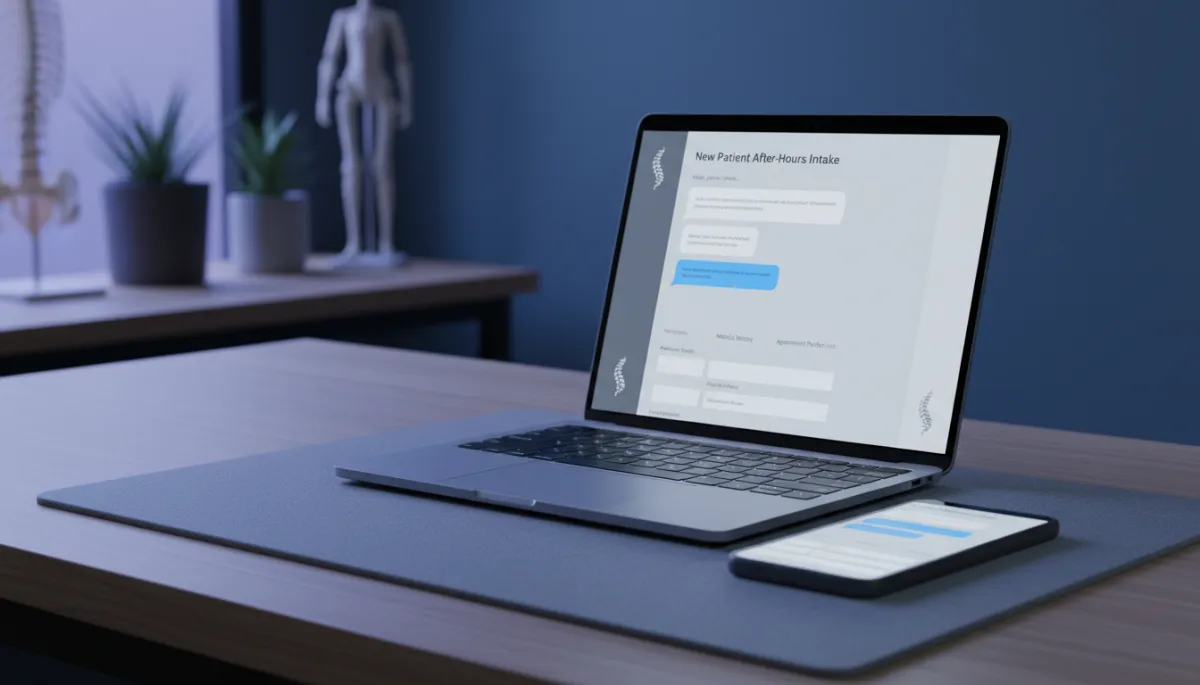
AI intake captures structured lead data from every after-hours patient interaction.
Visibility and Accountability for Multi-Location Chiropractic Groups
One of the most significant challenges for multi-location chiropractic groups is achieving consistent visibility into patient interactions across all sites, especially after hours. Without a unified system, each location may handle inquiries differently, use separate tools, or rely on individual staff habits. Leadership has limited insight into how many after-hours inquiries are received, how quickly they are addressed, and how many convert into new patients. This lack of visibility makes it difficult to benchmark performance, identify best practices, or intervene when a location is underperforming. It also hampers strategic decisions about marketing investments and staffing allocations across the network.
An AI intake system, particularly when implemented through a platform like Client Revenue Flow, brings all of this data into a single, coherent view. Every after-hours interaction—whether it occurs through chat, SMS, or web forms—is logged with timestamps, location tags, and outcome statuses. Leadership can see, at a glance, which locations are receiving the most after-hours traffic, how many chiropractic leads are generated, and how many of those leads progress to booked appointments. This transparency enables data-driven conversations with location managers and front desk teams, replacing guesswork with concrete insights and actionable metrics that everyone can rally around.
Visibility also extends to missed opportunities. With Client Revenue Flow, clinics can track when inquiries were not followed up within a desired timeframe or when repeated outreach attempts failed to connect. Instead of simply knowing that “some leads were missed,” leadership can quantify the exact number, understand the reasons, and implement targeted improvements. For example, if a particular location consistently lags in morning follow-up, additional training or staffing may be warranted. If a marketing campaign is driving a spike in after-hours inquiries that exceed current capacity, schedules can be adjusted. The ability to see what happened after hours, in detail, is a strategic advantage that directly influences growth and patient satisfaction.
Reducing Pressure on the Front Desk While Improving Patient Follow-Up
Front desk teams are the operational backbone of any chiropractic clinic. They juggle phone calls, patient check-ins, insurance questions, provider requests, and administrative tasks—often simultaneously. When after-hours inquiries accumulate without structure, the front desk becomes the catch-all for everything that did not get handled overnight. This reactive workload contributes to stress, turnover, and inconsistent patient follow-up. It also makes it harder for staff to deliver the kind of warm, attentive service that clinics want to be known for, simply because they are stretched too thin. Reducing this pressure is not just a staffing issue; it is a strategic imperative for patient experience and clinic reputation.
AI-supported intake changes the nature of the front desk’s work from firefighting to focused execution. Instead of manually sorting through messages and trying to reconstruct patient details, staff begin their day with a clear, organized list of after-hours chiropractic leads, complete with structured intake data. They can quickly identify who needs immediate outreach, who can be scheduled via text, and which inquiries are informational rather than urgent. This clarity reduces cognitive load and allows staff to allocate their time more effectively, leading to faster response times and more consistent patient follow-up across all locations in a group. The front desk becomes a high-impact, patient-facing team rather than an overwhelmed message center.
For clinics and agencies focused on performance, this operational shift has measurable results. Reduced pressure on the front desk correlates with higher staff satisfaction, lower error rates, and improved conversion from inquiry to appointment. With Client Revenue Flow, managers can see how these improvements play out in real numbers: fewer missed calls, faster first-contact times, and higher booked-appointment percentages from after-hours leads. Over time, these gains compound, creating a more resilient and scalable intake operation that can support growth without constantly adding headcount or burning out existing staff. AI does not replace the human front desk; it enables them to perform at their best.
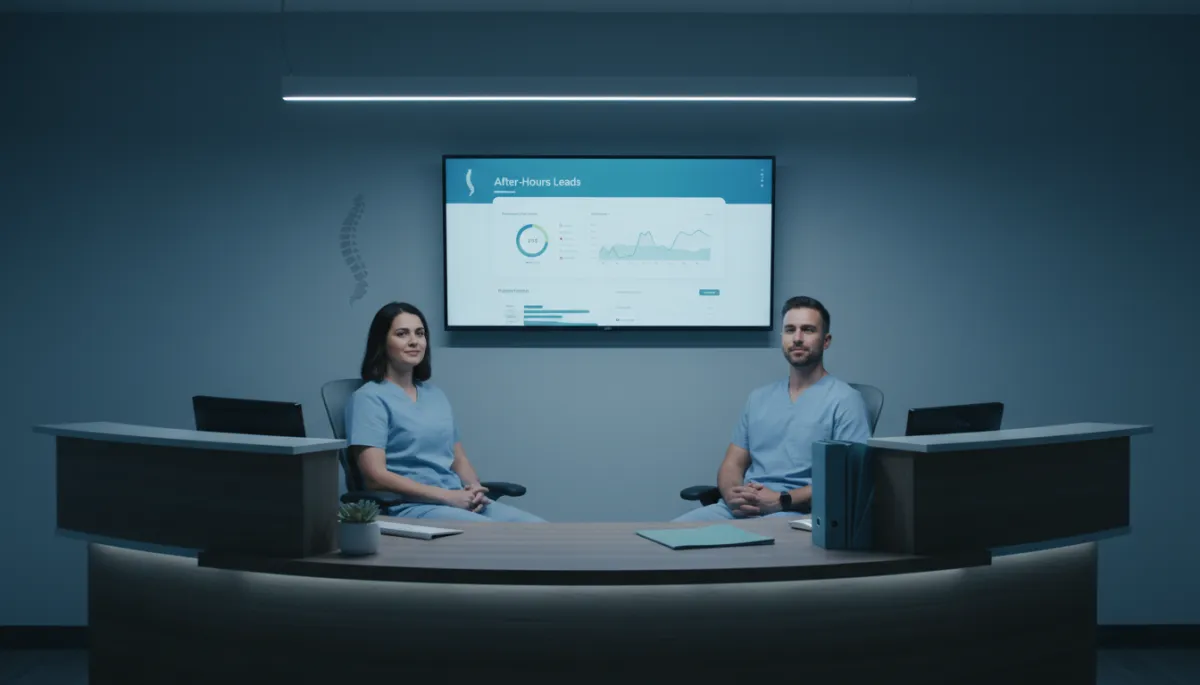
Organized AI-driven queues ease front desk workload and speed patient follow-up.
Client Revenue Flow: A Purpose-Built Solution for After-Hours Chiropractic Intake
Client Revenue Flow (CRF) brings all of these capabilities together into a cohesive solution tailored for chiropractic clinics and multi-location groups. At its core, CRF uses AI to power after-hours chiropractor intake, ensuring that every inquiry—no matter when it comes in—is captured, structured, and routed appropriately. But CRF goes beyond simple automation. It provides the visibility and analytics that leadership teams need to understand what is happening after hours, how effectively leads are being handled, and where there is room for improvement. This combination of intake automation and operational intelligence is what sets CRF apart from generic chatbots or isolated tools.
With CRF, clinics can see exactly what happened after hours in a clear, digestible format. Dashboards show how many new patient inquiries were received, which channels they came from, which locations they targeted, and how quickly they were followed up. Missed opportunities are no longer hidden; they are visible, measurable, and addressable. Agencies supporting chiropractic groups can use this data to demonstrate ROI on campaigns, refine targeting, and collaborate with clinic leadership on continuous improvement. This transparency builds trust and aligns everyone around the shared goal of converting more chiropractic leads into ongoing patient relationships.
Importantly, CRF is designed to integrate with existing clinic workflows rather than forcing teams to start from scratch. AI intake conversations feed directly into structured queues that staff can work from each morning, reducing the learning curve and minimizing disruption. Over time, CRF’s insights help clinics refine their scripts, adjust staffing, and optimize marketing to better match patient behavior patterns, particularly around after-hours engagement. The result is a virtuous cycle: better intake leads to better data, which leads to better decisions, which further enhances patient follow-up and revenue performance across every location in the network.
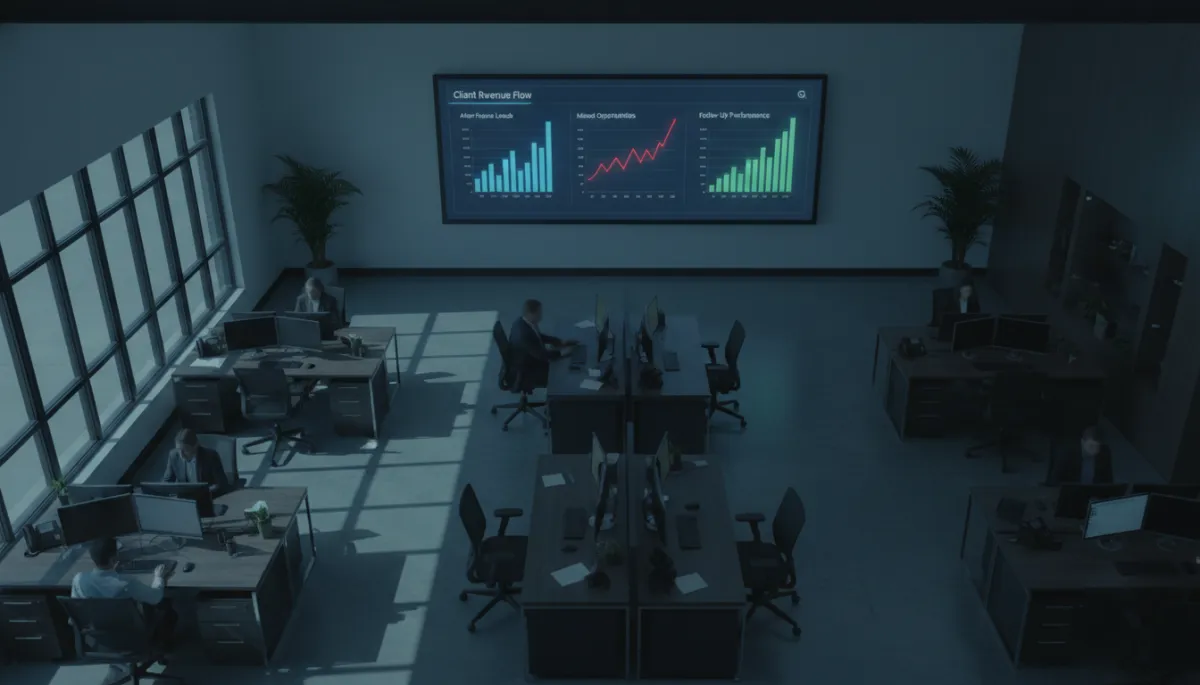
CRF dashboards reveal after-hours trends, missed opportunities, and location performance at a glance.
Bringing It All Together: A Strategic Approach to After-Hours Chiropractic Growth
For businesses and agencies partnering with chiropractic clinics, the message is clear: after-hours chiropractor intake is not a side issue—it is a strategic lever for growth, patient experience, and operational efficiency. Patients are reaching out when it is convenient for them, often outside traditional office hours. Without a robust, AI-supported intake system, clinics will continue to miss inquiries, underutilize their marketing spend, and place unnecessary pressure on front desk teams. Conversely, clinics that embrace AI intake and platforms like Client Revenue Flow position themselves to capture more chiropractic leads, deliver better patient follow-up, and scale their operations with confidence across multiple locations.
The path forward is both practical and achievable. Start by assessing how many after-hours inquiries your clinics currently receive, how they are handled, and how many convert into booked appointments. Identify gaps in visibility, consistency, and response time. Then, implement an AI intake system that can engage patients immediately, organize their information, and feed that data into a centralized platform like CRF. As you gain visibility into after-hours interactions, use those insights to refine staffing, adjust marketing, and continuously improve patient follow-up processes. Over time, these incremental improvements compound into significant gains in revenue and patient satisfaction.
Ultimately, the clinics and groups that win in this environment will be those that treat every patient interaction—day or night—as an opportunity to build trust and deliver value. AI intake systems and solutions like Client Revenue Flow are not just about technology; they are about creating a reliable, patient-centered experience that reflects the professionalism and care chiropractors provide in the treatment room. By bringing structure, visibility, and responsiveness to after-hours chiropractor intake, you can ensure that no patient is left waiting in the dark, and no opportunity for growth is left on the table.
